Research Program
How is environmental stress biologically remembered and expressed across marine invertebrate life histories to shape resilience in a changing ocean?
My research asks how environmental stress is biologically remembered and expressed across marine invertebrate life histories and how those memories shape resilience in a rapidly changing ocean. By integrating organismal biology with molecular and metabolic mechanisms, I aim to identify stress responses, how these responses affect later performance and future generations, and why individuals and species differ in their capacity to survive climate change.
Below, you will find information on the core themes of my research and highlighted examples of research projects.
Study systems
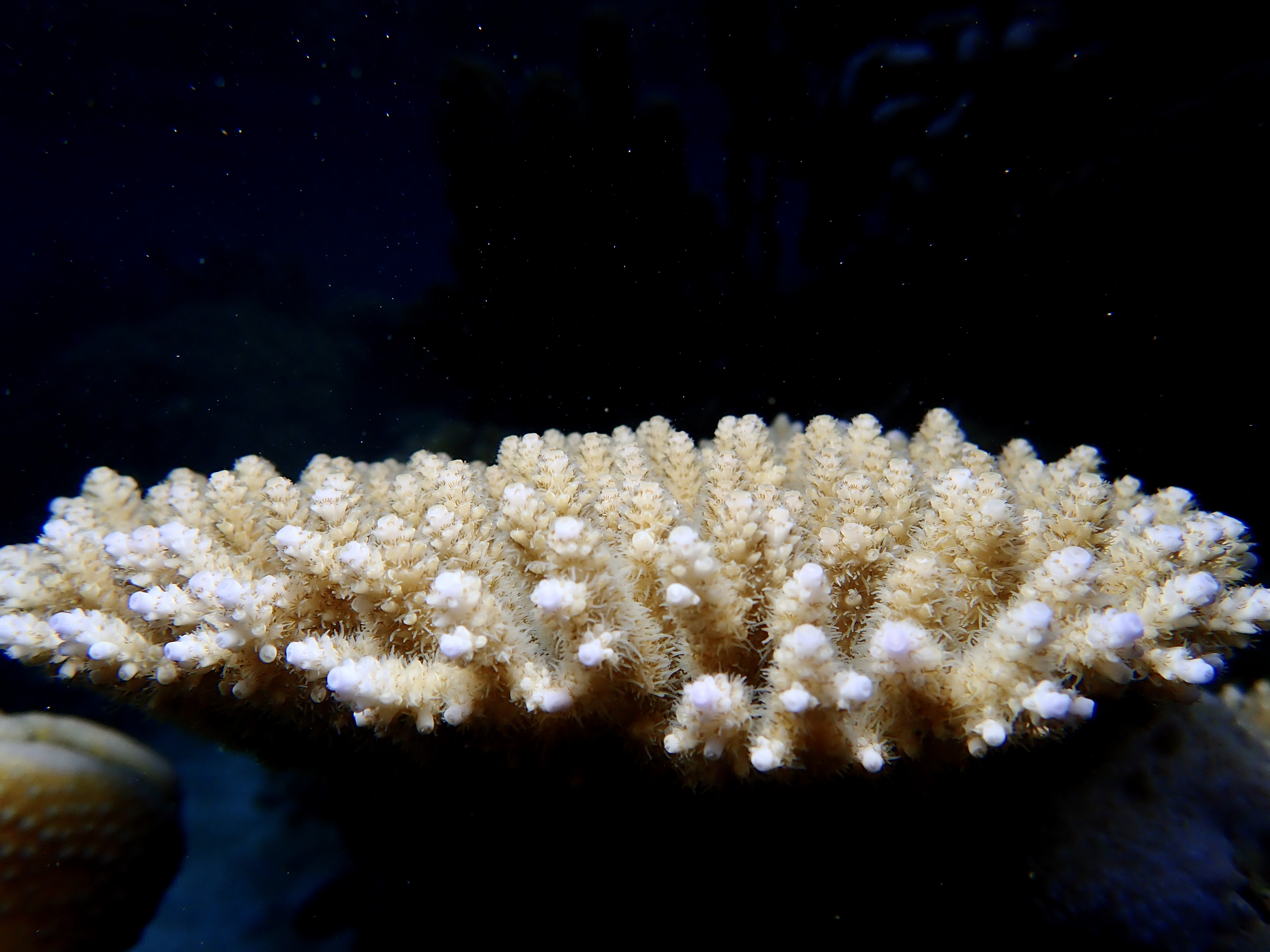
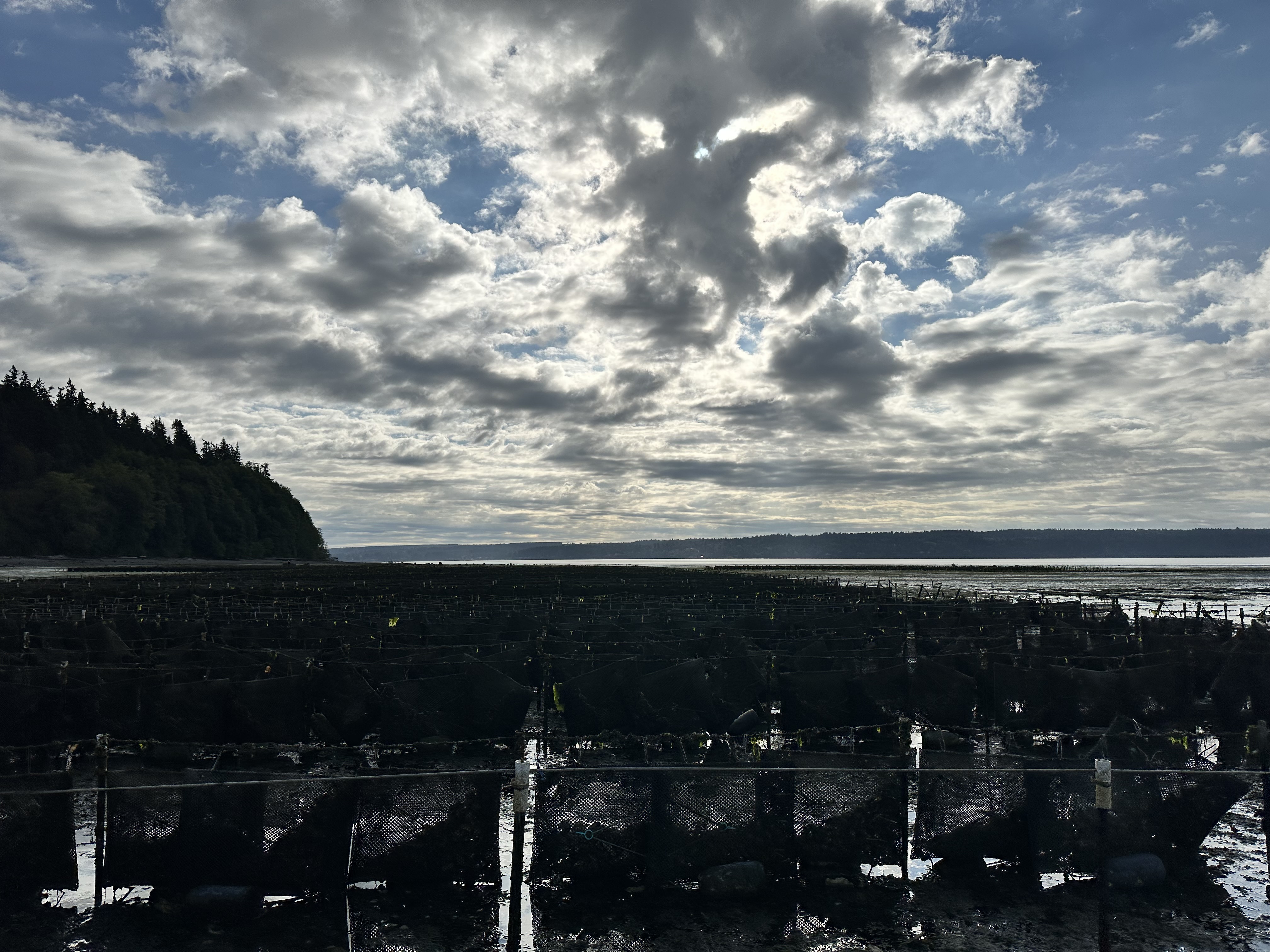
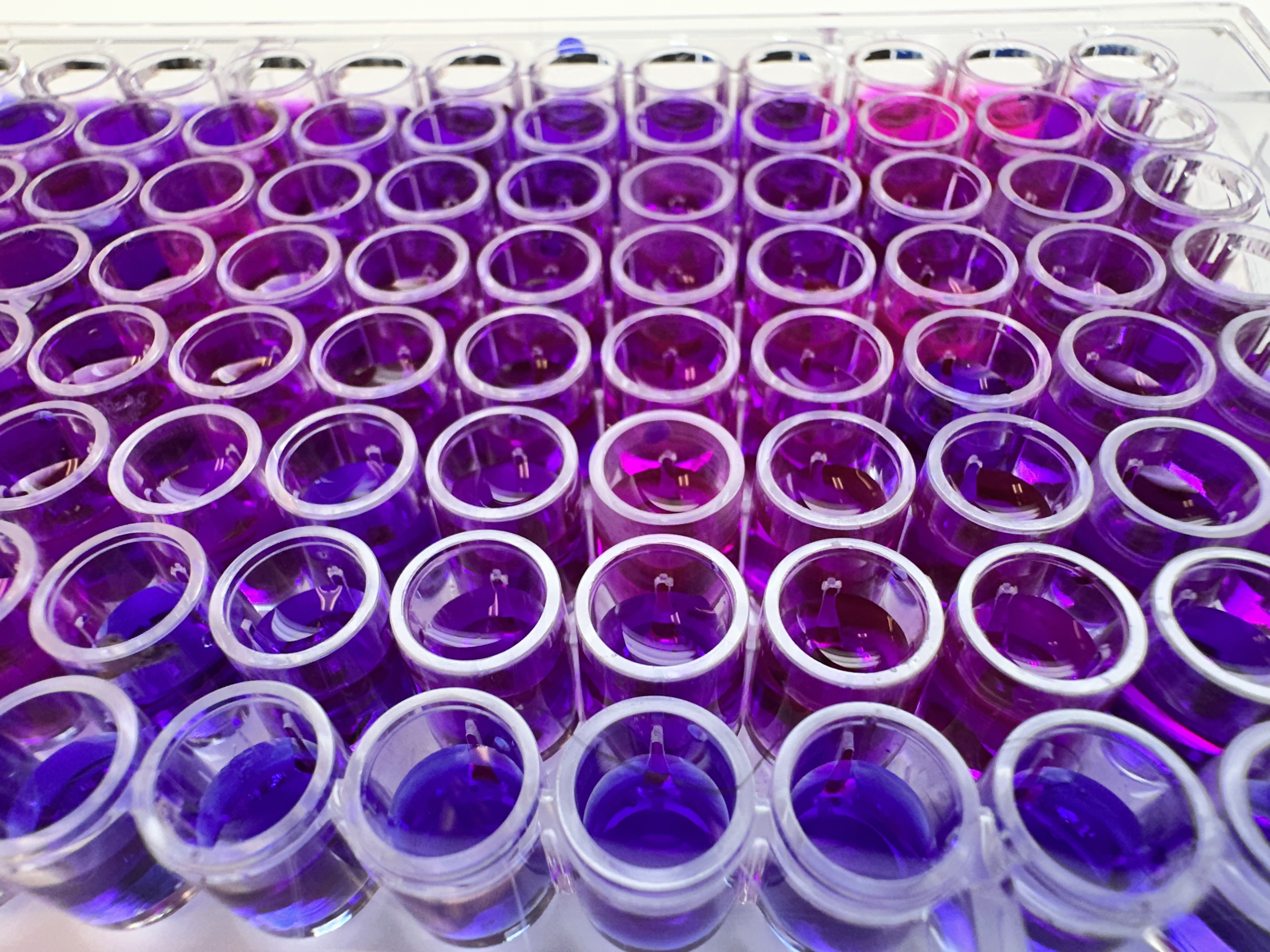
I conduct research in reef-building corals and in temperature intertidal shellfish. These systems offer complementary windows into how marine organisms respond to environmental stress. Corals, with their tight symbioses and narrow stress thresholds, reveal how climate change disrupts biological partnerships. Oysters represent resilient foundation species in highly variable coastal environments, which provide a compelling system to link physiological flexibility to real-world outcomes like survival, growth, and food production. Together, these systems provide opportunity to identify general principles of resilience while bridging fundamental discovery with applied conservation and aquaculture solutions.
Approaches and techinques
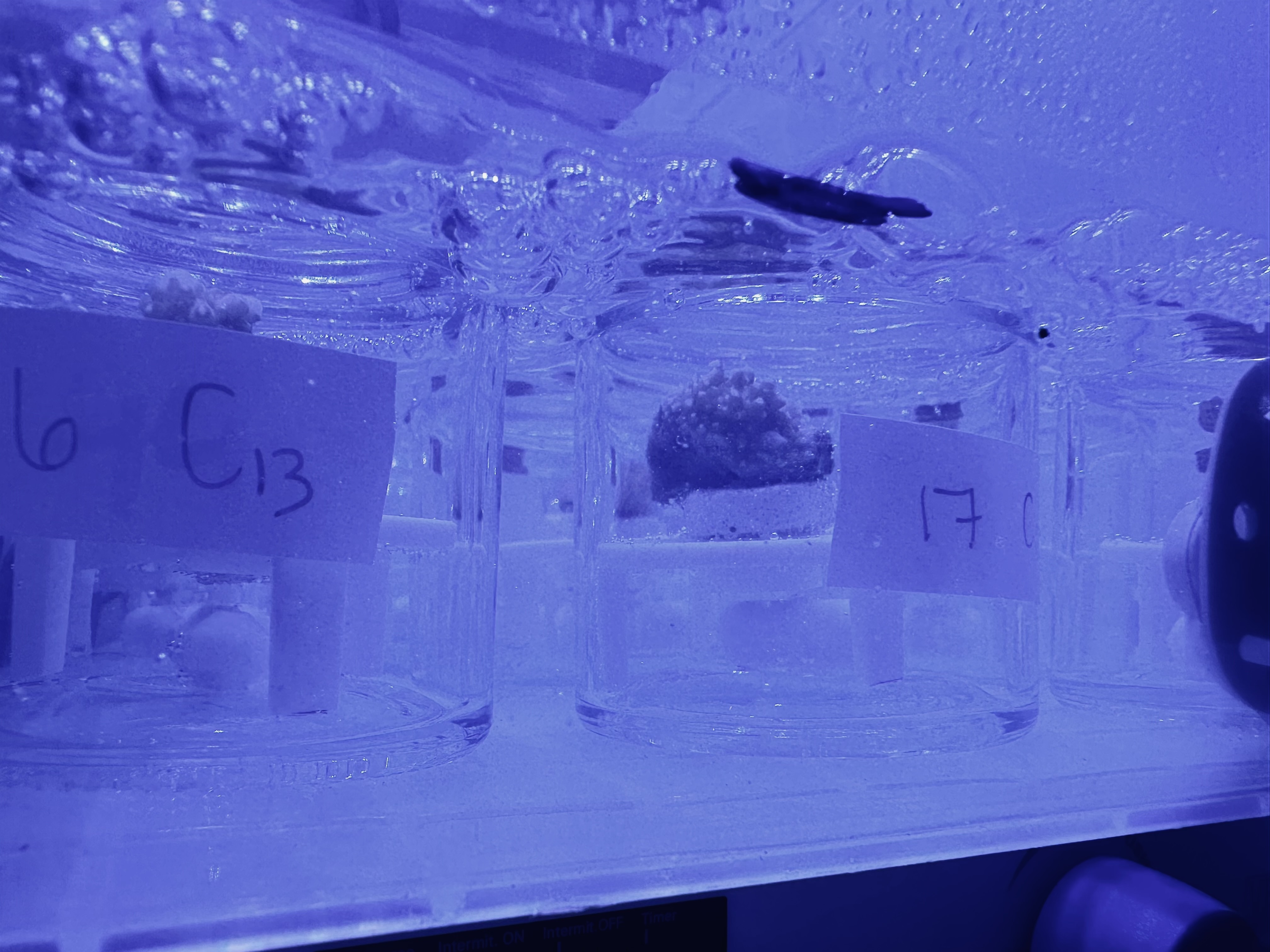
My research integrates approaches across biological scales from molecules to organisms:
- RNA-seq and transcriptomics
- Microbial amplicon sequencing
- Microscopy
- Metabolomics
- Stable isotope metabolomics
- Lipidomics
- Physiology
- Respirometry
- Organismal performance measurements
- Modeling and integrative data analysis
Research projects
Together, my research projects provide insights how marine organisms experience, remember, and respond to environmental stress across their lives. By linking symbiosis, development, and physiological flexibility, this work identifies general principles of resilience that apply across tropical reefs, temperate shorelines, and aquaculture systems. This work strengthens the predictive power needed for conservation, restoration, and sustainable coastal management—bridging fundamental biology with real-world environmental stewardship.
Learn more about my research by exploring the project themes below!
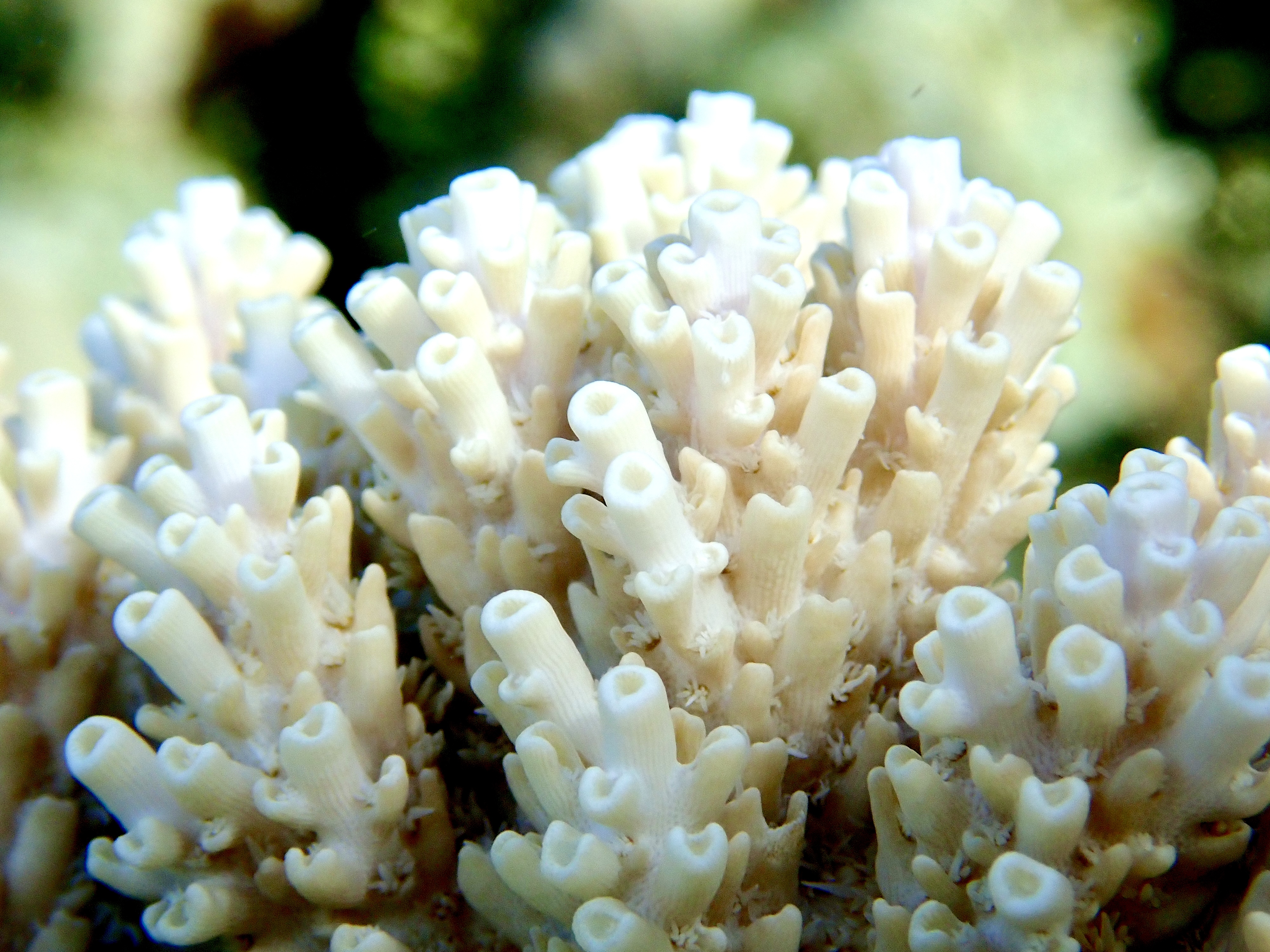
Metabolic interactions in marine holobionts
Hosts + symbionts as the functional unit of metabolism, performance, and stress tolerance.
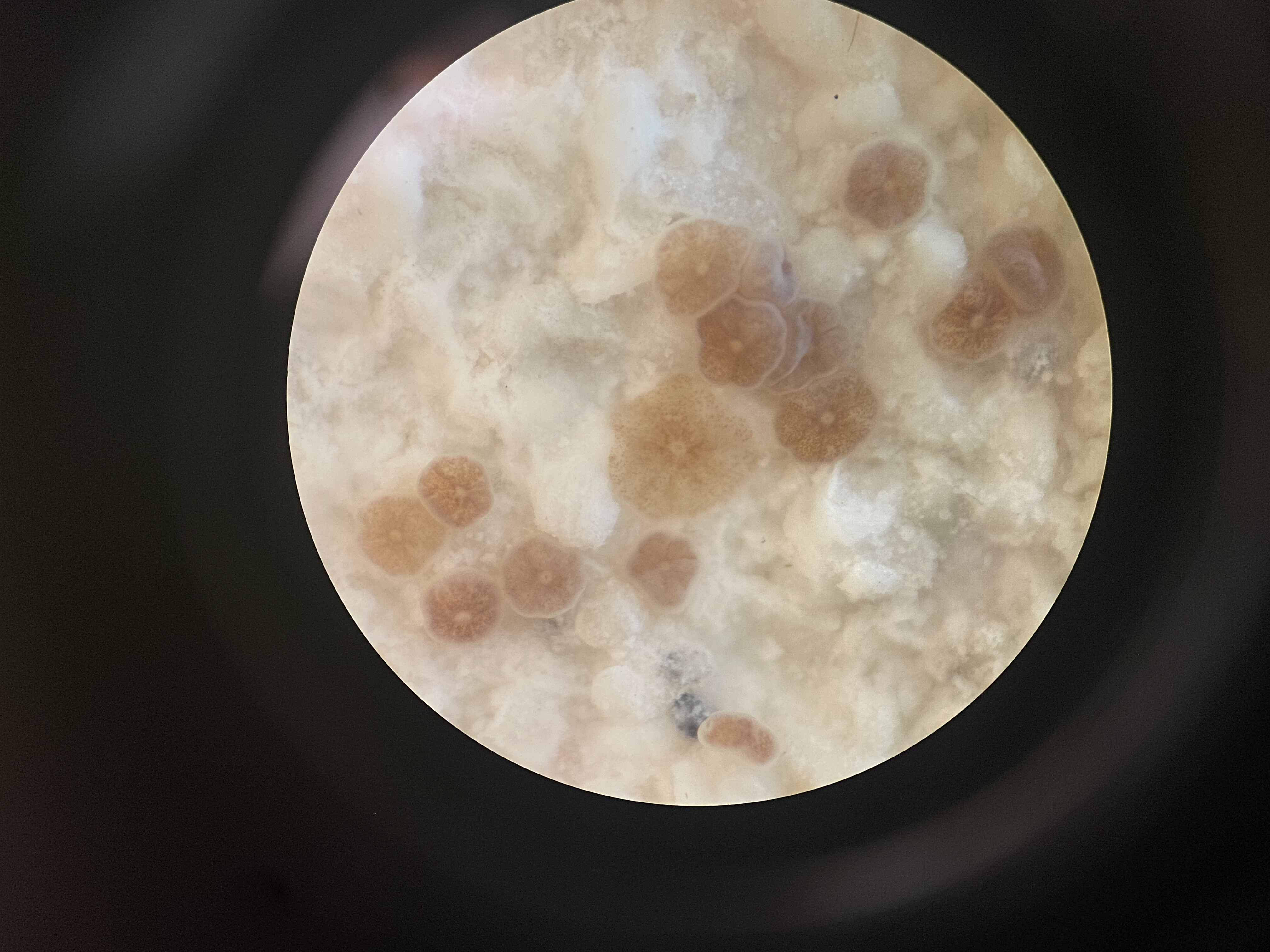
Life-history programming and metabolic carryover
When early experiences (or parental stress) become biological “memory” that shapes later performance.
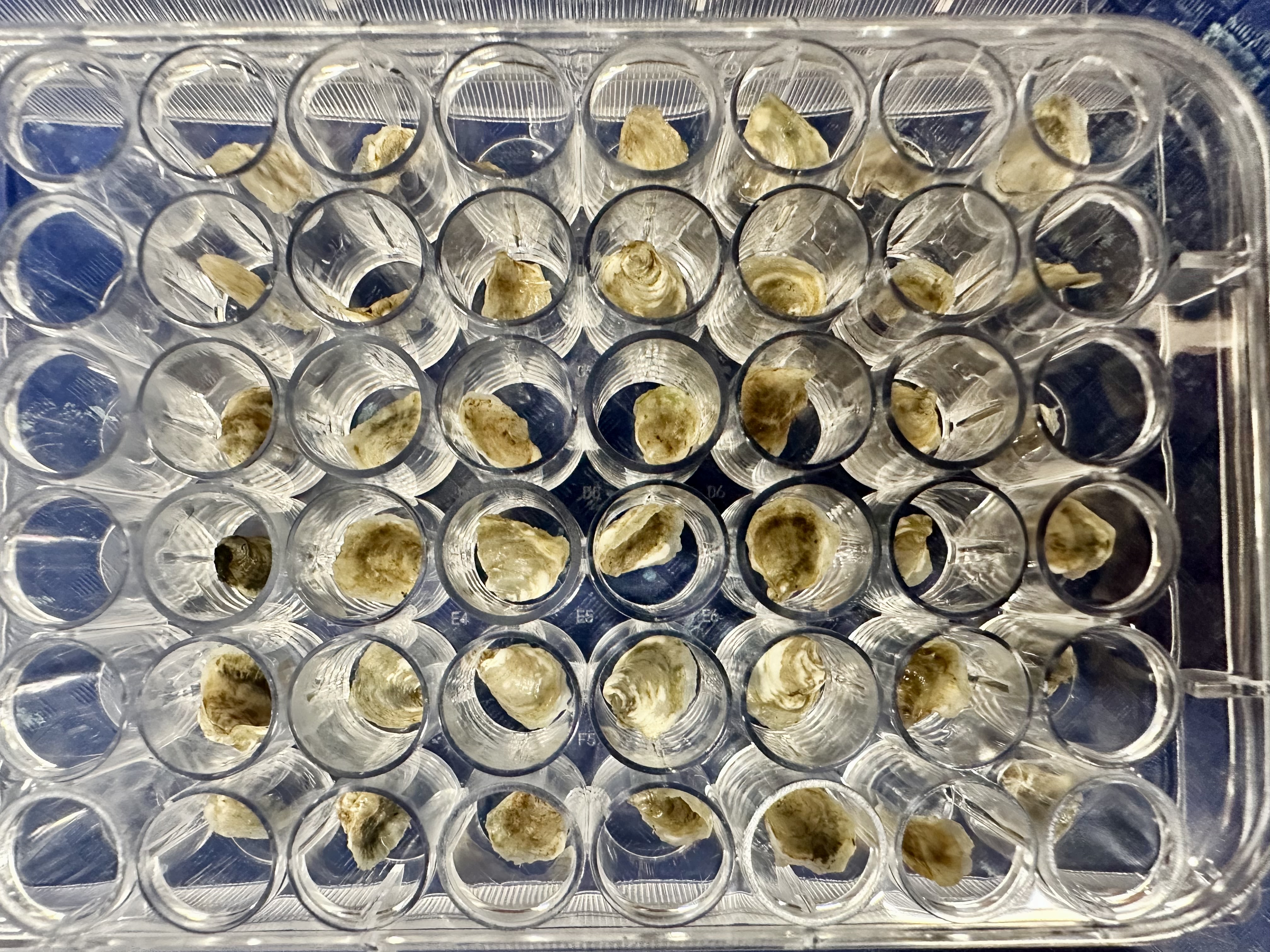
Physiological flexibility and indicators of tolerance
Dynamic responses (metabolic flexibility, recovery, rapid assays) as early indicators of resilience.
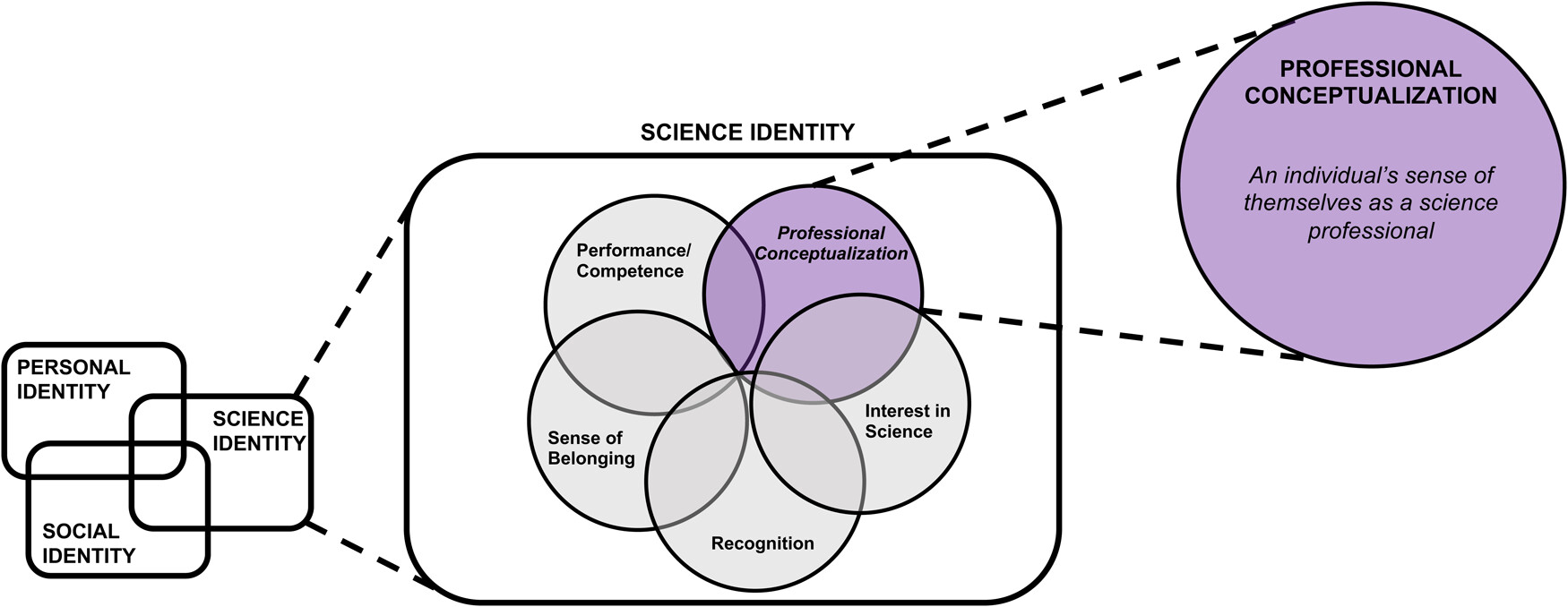
Science education
Science identity, belonging, and authentic research experiences that broaden participation in STEM.